


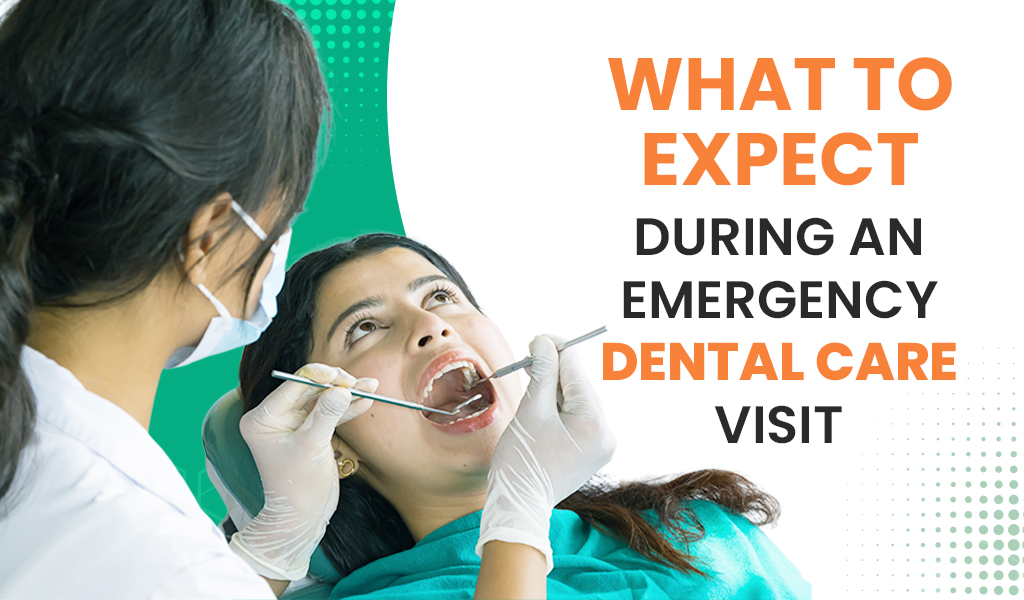
Certain dental problems necessitate prompt care and cannot be postponed until normal office hours. If you suddenly feel a toothache, lose a tooth, or observe swelling in your face, it might be tough to determine how to proceed. Knowing what constitutes a dental emergency, how to react, and what to anticipate during an emergency dental appointment can assist you in remaining calm and managing your oral health.
What is a Dental Emergency?
Any oral issue that requires prompt care to halt bleeding, relieve excruciating pain, or preserve a tooth is considered a dental emergency.
Typical instances consist of:
- severe toothache that is not relieved by over-the-counter medications.
- tooth that has been knocked out or is partially displaced.
- tooth that is significantly fractured or damaged.
- dental infection, known as an abscess, that leads to swelling in the jaw or face.
- bridge, crown, or filling that is broken or lost
- profuse bleeding from injuries to the soft tissues of the cheeks, lips, or tongue.
What Should Be Done In A Dental Emergency?
-
Give your dentist a call. Right away
Give your regular dentist a call. Many dental offices offer an after-hours emergency number, such as a reputable Dublin dentist, an emergency dentist in Columbus Ohio.
-
Observe Their Directions
Depending on the severity of your condition, you might be told to go directly to the emergency room, urgent care facility, or dental clinic.
-
Keep Restorations or Teeth Safe
Handle a knocked-out tooth by its crown, give it a gentle rinse, and try to put it back in its socket. If that isn’t possible, keep it in milk or a tooth-preservation solution.
3. Minimize Discomfort and Hemorrhaging
Apply a cold pack to decrease swelling, gargle with warm salt water, and use acetaminophen or ibuprofen when needed.
Where To Go In A Dental Emergency?
- Dental Clinic: Most dental issues, such as intense tooth pain, fractured teeth, or missing fillings, can be treated by Dublin dentist in their clinic.
- Emergency Room: If you have broken facial bones, severe infections with high fever, or uncontrolled bleeding, go directly to the ER. If you have broken facial bones, severe infections with a high fever, or uncontrolled bleeding, go directly to the emergency room.
While patients near Dublin can depend on a skilled Dublin dentist for urgent care, residents in central Ohio can find timely care from an emergency dentist in Columbus, Ohio.
What To Expect During Emergency Dental Appointments
1. Thorough Assessment
The dental staff will promptly evaluate your symptoms, go over your medical history, and take note of any prescription drugs you are taking when symptoms arrive. The best course of action and the urgency are ascertained with the aid of this preliminary assessment.
2. Imaging for Diagnostics
To determine the extent of damage, the dentist may request X-rays for fractures, injuries, or suspected abscesses. They can identify underlying problems with imaging that may not be apparent with a visual examination.
- Prompt Pain Relief
Your comfort comes first. Before beginning treatment, the dentist may, depending on the circumstances, apply a local anaesthetic to numb the area or administer immediate pain relief.
4. Discussion of the Treatment Plan
The dentist will answer your questions, describe potential procedures, and explain treatment options after the diagnosis. To help you make wise decisions, you will be given precise information regarding expenses, recovery time, and any hazards.
5. Emergency Protocols for the Same Day
Numerous pressing issues can be resolved immediately, such as:
- replacing a lost or damaged filling.
- root canal treatment for pulpitis or serious infections.
- stabilisation or reimplantation of a lost or knocked-out tooth.
- crowns or bridges, either permanent or temporary, to shield broken teeth.
6. Prescription Drugs
Antibiotics may be prescribed if an infection is present. To keep you comfortable following the visit, anti-inflammatory drugs or painkillers might also be suggested.
7. Instructions for Aftercare
In order to encourage healing and prevent complications, the dentist will provide you with comprehensive instructions before you depart, including dietary restrictions, oral hygiene advice, and when to take medications.
8. Appointments for Follow-Up
A planned follow-up is frequently part of emergency care in order to guarantee appropriate healing or to finish extra procedures, such as a full root canal or permanent crown.
Managing Specific Dental Emergencies Until You’re Seen
- If you have a severe toothache, try a cold compress, floss to remove any debris, and rinse your mouth with warm water.
- If you crack a tooth, apply a cold compress, rinse your mouth, and gently press gauze on any bleeding areas.
- If a tooth gets knocked out, keep it moist in milk or a tooth-preservation kit, and seek help immediately.
- Dental abscess: To remove infection and lessen discomfort, rinse with a mild salt solution.
- Lost Crown/Bridge: To temporarily secure it in place, use toothpaste or dental cement that is available over-the-counter.
Preparing For An Emergency Visit
A stressful situation can be lessened by being prepared:
- Keep the emergency number for your dentist stored on your phone.
- Maintain a small dental kit at home that includes painkillers, gauze, and a sterile container.
- Keep up with routine examinations to identify problems before they become serious ones.
Final Takeaway
Although dental emergencies can be frightening, prompt action and expert care safeguard your oral health and stop permanent harm.
Dublin Metro Dental provides trusted care when you need an emergency dentist in Columbus Ohio. Quick action is crucial to protecting your oral health, so don’t delay if you notice serious dental pain or trauma.